How 5G Technology Is Changing Mobile Experiences
The rollout of 5G networks has completely transformed how we use our smartphones, tablets, and connected devices. Offering ultra-fast speeds, low latency, and massive connectivity, 5G isn’t just about faster downloads — it’s about redefining the entire mobile experience.
In 2025, as 5G adoption spreads globally, it’s reshaping industries, powering innovation, and making new digital experiences possible. Here’s how 5G is changing the way we live, work, and connect.
1. Lightning-Fast Speeds and Instant Connectivity
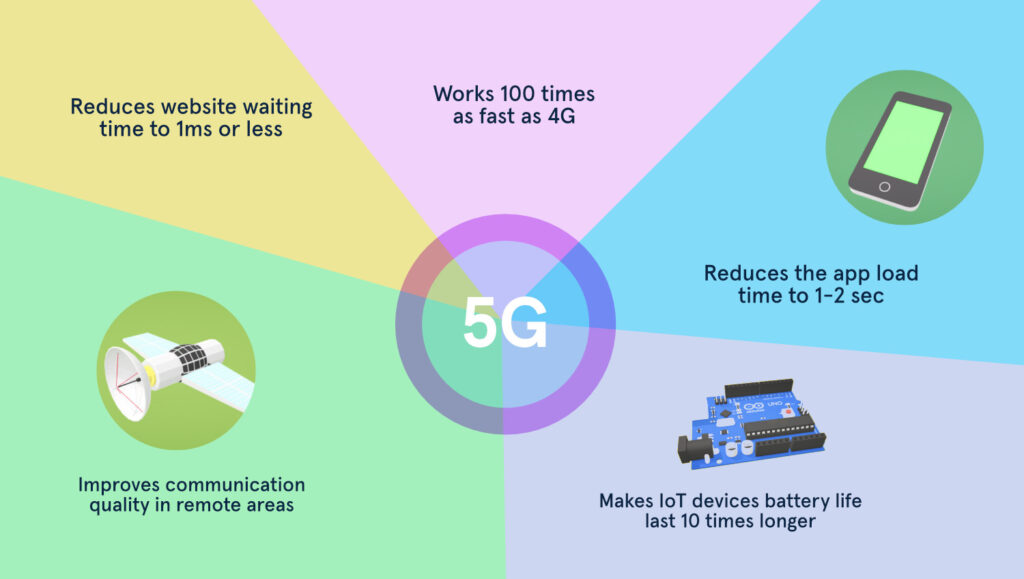
5G delivers speeds up to 100 times faster than 4G LTE. That means movies download in seconds, cloud apps run instantly, and streaming happens with zero buffering.
For users, it feels seamless — whether gaming, working remotely, or video calling, everything happens in real time. The higher bandwidth also supports 4K/8K video, AR/VR streaming, and real-time collaboration tools like never before.
2. Ultra-Low Latency for Real-Time Interaction
Latency — the delay between sending and receiving data — has dropped dramatically with 5G, reaching as low as 1 millisecond.
This improvement powers:
- Online gaming without lag
- Autonomous vehicles that react instantly to surroundings
- Remote surgeries and robotic control with real-time precision
- Immersive AR/VR experiences that feel natural
Low latency makes 5G not just faster — but smarter, enabling technologies that were once impossible on mobile networks.
3. Better Streaming, Gaming, and Entertainment
5G has redefined mobile entertainment. Streaming platforms now deliver lossless audio, HDR video, and interactive content with minimal buffering. Cloud gaming platforms like Xbox Cloud Gaming and NVIDIA GeForce Now use 5G to offer console-level experiences directly on phones — no downloads required.
With 5G, mobile devices are becoming portable media hubs, capable of handling high-quality entertainment on the go.
4. Empowering Smart Devices and the Internet of Things (IoT)
The power of 5G extends beyond phones. It connects millions of IoT devices — from smart home sensors to wearable health trackers and smart city systems.
Because 5G can handle massive device density, it enables truly connected environments where cars, appliances, and infrastructure communicate in real time. This is paving the way for smarter homes, safer cities, and more efficient industries.
5. Enhancing Remote Work and Collaboration
The rise of hybrid work and freelancing has made reliable mobile connectivity essential. 5G supports cloud computing, video conferencing, and file sharing at unprecedented speeds.
Professionals can now work, collaborate, and access cloud-based tools from anywhere without worrying about lag or network drops — making 5G a cornerstone of the new digital workplace.
6. Boosting Augmented and Virtual Reality (AR/VR)
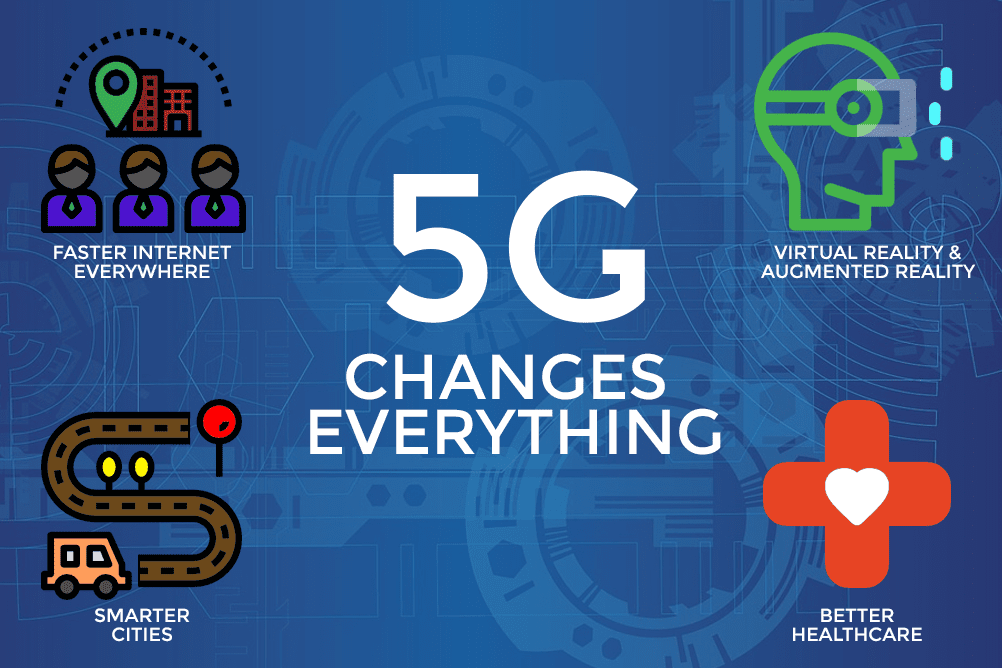
AR and VR experiences are finally becoming mainstream, thanks to 5G’s high bandwidth and low latency. Users can attend virtual meetings, explore immersive 3D worlds, or try virtual shopping with lifelike responsiveness.
Industries like education, healthcare, and entertainment are using 5G to create interactive, immersive experiences that blur the line between physical and digital reality.
7. Driving Innovation in Businesses and Industries
5G is fueling the next wave of digital transformation across sectors:
- Healthcare: Remote monitoring, telemedicine, and AI-driven diagnostics.
- Manufacturing: Smart factories with connected machines and real-time analytics.
- Retail: Personalized shopping experiences powered by data and AR displays.
- Logistics: Real-time tracking and automation for global supply chains.
By integrating AI and edge computing with 5G, businesses gain real-time insights and unmatched efficiency.
8. Challenges and Future Potential
Despite its advantages, 5G rollout faces challenges like high infrastructure costs and limited coverage in some regions. However, as deployment expands and devices become more affordable, 5G will reach more users and industries.
Looking ahead, 6G research is already underway — promising even greater connectivity, holographic communication, and seamless integration of AI with mobile networks.
Conclusion
5G technology is more than an upgrade — it’s a revolution in connectivity. It’s creating smarter cities, immersive experiences, and powerful tools for businesses and individuals alike.
As 5G continues to expand globally, it’s not just changing mobile experiences — it’s reshaping the digital world and setting the stage for the future of communication.