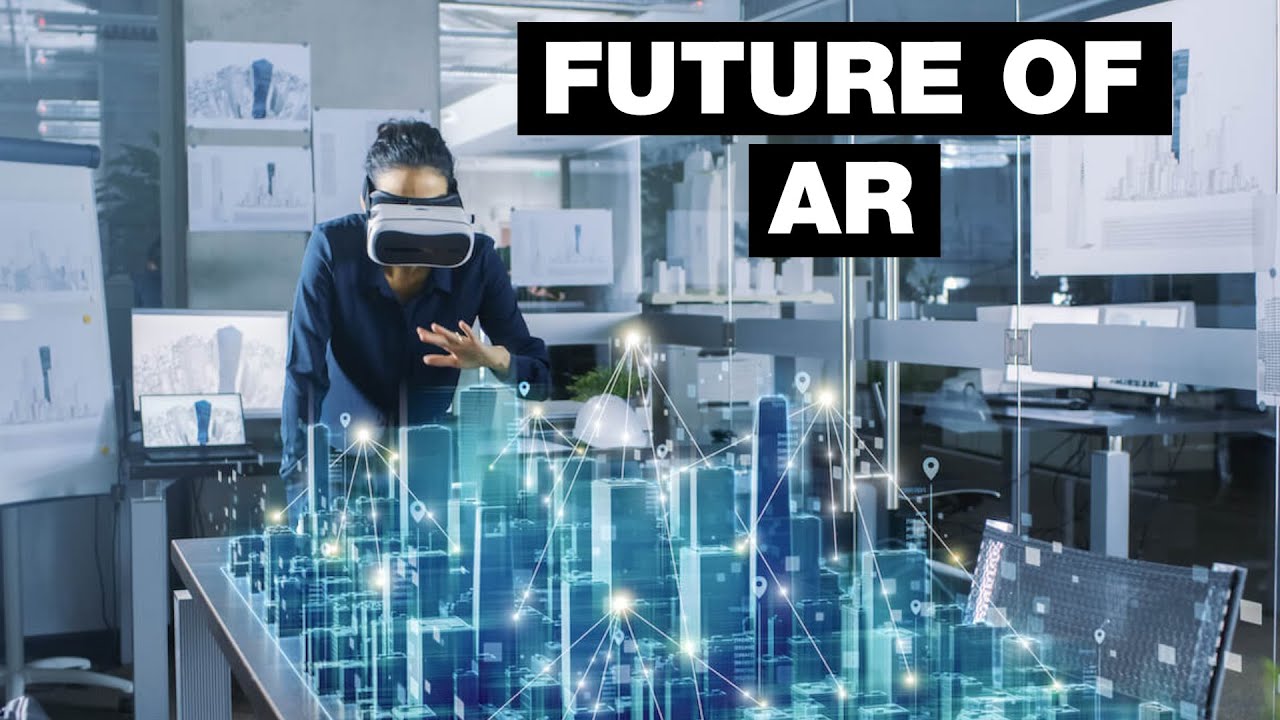
Augmented Reality (AR) is no longer just a futuristic concept—it is rapidly becoming part of our daily lives. From interactive shopping experiences to immersive education and advanced healthcare solutions, AR is transforming how we interact with the world around us. Tech giants like Apple, Microsoft, and Google are investing heavily in AR innovation, signaling a major shift toward a digitally enhanced reality.
In this comprehensive guide, we’ll explore the future of augmented reality in everyday life, its applications across industries, benefits, challenges, and actionable insights for individuals and businesses.
What Is Augmented Reality?
Augmented Reality is a technology that overlays digital elements—such as images, sounds, or data—onto the real world through devices like smartphones, tablets, or AR glasses.
Unlike virtual reality (VR), which creates a fully immersive digital environment, AR enhances the real-world experience by adding interactive layers.
H3: How AR Works
- Uses cameras and sensors to detect surroundings
- Processes real-time data
- Displays digital content over physical environments
Popular examples include mobile apps, AR filters, and navigation tools.
Why Augmented Reality Is the Future
AR is gaining momentum due to advancements in hardware, artificial intelligence, and connectivity. With the rise of 5G and wearable devices, AR is becoming faster, more accessible, and more realistic.
H3: Key Drivers of Growth
- Increased smartphone usage
- Faster internet speeds
- Demand for immersive experiences
- Growth in e-commerce and digital marketing
AR is expected to become as common as smartphones in the near future.
Applications of AR in Everyday Life
H3: AR in Shopping and E-Commerce
AR is revolutionizing online shopping by allowing users to visualize products before buying.
- Try-on clothes virtually
- Preview furniture in your home
- Test makeup products digitally
Brands like IKEA have already introduced AR apps that let customers see how furniture fits in their space.
H3: AR in Education
Education is becoming more interactive with AR technology.
- 3D visualizations of complex concepts
- Virtual labs and simulations
- Interactive textbooks
Students can now explore subjects like science and history in a more engaging way.
H3: AR in Healthcare
Healthcare professionals are using AR for:
- Surgical guidance
- Medical training
- Patient education
AR helps doctors visualize organs and procedures, improving accuracy and outcomes.
H3: AR in Navigation and Travel
Navigation apps are becoming smarter with AR overlays.
- Real-time directions on streets
- Landmark identification
- Enhanced travel experiences
For example, Google Maps offers AR-based walking directions.
H3: AR in Gaming and Entertainment
Gaming is one of the most popular uses of AR.
The success of Pokémon GO showed how AR can blend digital gameplay with real-world environments.
Future AR games will be:
- More immersive
- Multiplayer-focused
- Location-based
H3: AR in Work and Productivity
AR is transforming workplaces by improving efficiency and collaboration.
- Remote assistance using AR glasses
- Real-time data visualization
- Hands-free instructions for workers
Industries like manufacturing and construction are already benefiting from AR solutions.
Benefits of Augmented Reality
H3: Enhanced User Experience
AR makes interactions more engaging and intuitive by blending digital and physical worlds.
H3: Better Decision Making
Users can visualize outcomes before making decisions, especially in shopping and design.
H3: Increased Efficiency
- Faster workflows
- Reduced errors
- Improved productivity
H3: Cost Savings
AR reduces the need for physical prototypes, training materials, and travel.
Challenges Facing AR Adoption
Despite its potential, AR still faces several challenges.
H3: High Development Costs
Creating AR applications requires advanced technology and skilled developers.
H3: Hardware Limitations
- Expensive AR glasses
- Battery constraints
- Limited processing power
H3: Privacy and Security Concerns
AR devices collect real-time data, raising concerns about:
- User privacy
- Data protection
H3: User Adoption Barriers
Some users may find AR technology complex or unnecessary, slowing its adoption.
The Role of AI in AR Development
Artificial Intelligence is playing a crucial role in enhancing AR capabilities.
H3: Smart Object Recognition
AI enables AR systems to identify objects and environments accurately.
H3: Real-Time Interaction
AI improves responsiveness, making AR experiences smoother and more realistic.
H3: Personalization
AR applications can adapt to user preferences, providing customized experiences.
Future Trends in Augmented Reality
H3: AR Glasses and Wearables
Devices like smart glasses will replace smartphones for many tasks.
Companies are working on lightweight, stylish AR wearables for everyday use.
H3: AR in Social Media
Social platforms will continue to integrate AR features such as:
- Filters
- Virtual avatars
- Interactive content
H3: AR Cloud Technology
AR cloud will enable shared experiences across devices, allowing users to interact with the same digital content in real time.
H3: Integration with the Metaverse
AR will play a key role in building the metaverse by connecting the physical and digital worlds.
How Bloggers and Businesses Can Leverage AR
For bloggers and digital marketers, AR offers new opportunities to stand out.
H3: Create Interactive Content
- Use AR experiences in blog posts
- Add 3D visuals and demos
H3: Improve Audience Engagement
AR content keeps users engaged longer, reducing bounce rates.
H3: Boost SEO Performance
Interactive content can improve:
- Time on page
- User experience
- Search rankings
H3: Monetization Opportunities
- Sponsored AR content
- Affiliate marketing with AR demos
- Premium interactive experiences
Actionable Tips to Prepare for the AR Future
If you want to stay ahead in this evolving landscape, follow these steps:
- Learn AR tools and platforms
- Experiment with AR content creation
- Stay updated with industry trends
- Collaborate with developers and designers
- Focus on user experience
Conclusion
The future of augmented reality in everyday life is incredibly promising. As technology continues to evolve, AR will become a seamless part of how we shop, learn, work, and interact.
From enhancing user experiences to transforming industries, AR is set to redefine the digital landscape. For bloggers, businesses, and individuals, embracing this technology early can unlock new opportunities and provide a competitive edge.
The key is to stay informed, experiment with new tools, and adapt to the changing digital environment. As AR becomes more accessible, it will not just enhance reality—it will reshape it.