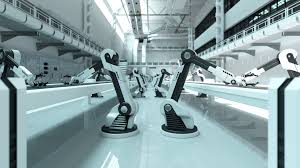
The fields of robotics and automation are rapidly transforming industries across the globe. From self-driving cars to smart factories and AI-powered systems, these technologies are creating new opportunities for skilled professionals. As companies invest heavily in automation, the demand for experts in robotics is skyrocketing—along with the salaries.
Industry leaders like Tesla, Boston Dynamics, and Amazon are at the forefront of this revolution, offering lucrative career paths for individuals with the right skills.
In this SEO-optimized, in-depth guide, we will explore the top high-paying careers in robotics and automation, required skills, salary expectations, and actionable steps to get started.
Why Robotics and Automation Careers Are in High Demand
Automation is no longer limited to manufacturing. It is now used in healthcare, logistics, agriculture, and even entertainment.
Key Drivers of Demand
- Growth of artificial intelligence (AI)
- Rise of smart manufacturing (Industry 4.0)
- Expansion of autonomous systems
- Increasing need for efficiency and cost reduction
These factors are creating a massive demand for skilled professionals, making robotics one of the most profitable career fields in 2026 and beyond.
Skills Required for High-Paying Robotics Careers
Before diving into specific roles, it’s important to understand the key skills needed.
Technical Skills
- Programming (Python, C++, Java)
- Machine learning and AI
- Robotics engineering principles
- Control systems and automation
Soft Skills
- Problem-solving
- Critical thinking
- Communication
- Team collaboration
Educational Background
Most high-paying roles require:
- Degree in robotics, engineering, or computer science
- Certifications in AI or automation
- Hands-on project experience
Top High-Paying Careers in Robotics and Automation
1. Robotics Engineer
Robotics engineers design, build, and maintain robotic systems used in industries like manufacturing and healthcare.
Key Responsibilities
- Develop robotic systems
- Test and improve performance
- Integrate hardware and software
Salary Range
- $90,000 to $150,000+ per year
Why It’s High Paying
This role requires a combination of mechanical, electrical, and software expertise, making it highly valuable.
2. AI and Machine Learning Engineer
AI engineers develop intelligent systems that enable robots to learn and make decisions.
Key Responsibilities
- Build machine learning models
- Train AI systems
- Optimize algorithms
Salary Range
- $100,000 to $180,000+ per year
Industry Demand
AI is the backbone of automation, making this one of the most in-demand roles globally.
3. Automation Engineer
Automation engineers design systems that automate repetitive tasks in industries.
Key Responsibilities
- Develop automated workflows
- Improve efficiency in production
- Maintain automation systems
Salary Range
- $80,000 to $140,000+ per year
Key Industries
- Manufacturing
- Oil and gas
- IT and software
4. Robotics Software Developer
This role focuses on programming robots and developing their operating systems.
Key Responsibilities
- Write and test code
- Develop control algorithms
- Integrate AI capabilities
Salary Range
- $95,000 to $160,000+ per year
Why It’s Valuable
Software is the brain of robotics systems, making this role essential.
5. Control Systems Engineer
Control engineers design systems that manage and regulate robotic processes.
Key Responsibilities
- Develop control algorithms
- Monitor system performance
- Ensure stability and accuracy
Salary Range
- $85,000 to $140,000+ per year
6. Data Scientist in Robotics
Data scientists analyze data generated by robots to improve performance and efficiency.
Key Responsibilities
- Analyze large datasets
- Identify patterns and trends
- Improve decision-making systems
Salary Range
- $100,000 to $170,000+ per year
7. Mechatronics Engineer
Mechatronics combines mechanical, electrical, and software engineering.
Key Responsibilities
- Design integrated systems
- Work on robotics hardware
- Develop smart devices
Salary Range
- $85,000 to $150,000+ per year
8. Robotics Research Scientist
Research scientists focus on developing new technologies and innovations.
Key Responsibilities
- Conduct experiments
- Develop new robotics solutions
- Publish research findings
Salary Range
- $110,000 to $200,000+ per year
Where They Work
- Universities
- Tech companies
- Research labs
9. Industrial Robotics Technician
Technicians install, maintain, and repair robotic systems.
Key Responsibilities
- Troubleshoot issues
- Perform maintenance
- Ensure smooth operations
Salary Range
- $60,000 to $100,000+ per year
10. Autonomous Systems Engineer
This role focuses on self-driving cars, drones, and other autonomous technologies.
Key Responsibilities
- Develop navigation systems
- Integrate sensors and AI
- Test autonomous systems
Salary Range
- $110,000 to $180,000+ per year
Industries Offering High Salaries in Robotics
Manufacturing
- Smart factories
- Industrial automation
Healthcare
- Surgical robots
- Medical automation
Automotive
Companies like Tesla are leading in autonomous vehicle technology.
Logistics and E-Commerce
Amazon uses robotics for warehouse automation and delivery systems.
Defense and Aerospace
- Military robotics
- Space exploration systems
How to Start a Career in Robotics and Automation
Step 1 – Get the Right Education
- Degree in robotics, engineering, or computer science
- Online courses in AI and automation
Step 2 – Learn Programming
Focus on:
- Python
- C++
- ROS (Robot Operating System)
Step 3 – Build Projects
- Create small robots
- Work on automation systems
- Participate in competitions
Step 4 – Gain Experience
- Internships
- Freelance projects
- Entry-level roles
Step 5 – Stay Updated
Technology evolves quickly, so continuous learning is essential.
Future Trends in Robotics Careers
AI Integration
Robots will become smarter with advanced AI capabilities.
Human-Robot Collaboration
Cobots (collaborative robots) will work alongside humans.
Expansion of Automation
More industries will adopt automation, increasing job opportunities.
Remote Robotics Operations
Engineers will control robots remotely using advanced systems.
Advantages of Choosing a Robotics Career
- High salary potential
- Global job opportunities
- Cutting-edge technology exposure
- Career growth and stability
Challenges to Consider
- Requires continuous learning
- High competition in top roles
- Technical complexity
However, the rewards often outweigh the challenges for dedicated professionals.
Conclusion
The future of robotics and automation is bright, and the career opportunities are both exciting and financially rewarding. As industries continue to adopt advanced technologies, the demand for skilled professionals will only increase.
Whether you’re a student, a job seeker, or a professional looking to switch careers, now is the perfect time to enter this field. By developing the right skills, gaining hands-on experience, and staying updated with industry trends, you can build a successful and high-paying career in robotics and automation.