Spatial Computing Comes of Age: AR/VR in Everyday Life
For years, augmented reality (AR) and virtual reality (VR) were confined to the realm of gaming and niche tech demos. They were fascinating but often impractical—expensive headsets, clunky interfaces, and limited applications made them feel like futuristic curiosities rather than everyday tools.
That reality is changing fast. As spatial computing—the fusion of the physical and digital worlds—matures, AR and VR are moving beyond entertainment and into the mainstream. With advances in hardware, connectivity, and artificial intelligence, immersive technology is poised to transform how we work, learn, shop, and connect.
The age of spatial computing has truly arrived—and it’s beginning to redefine daily life.
1. What Is Spatial Computing?
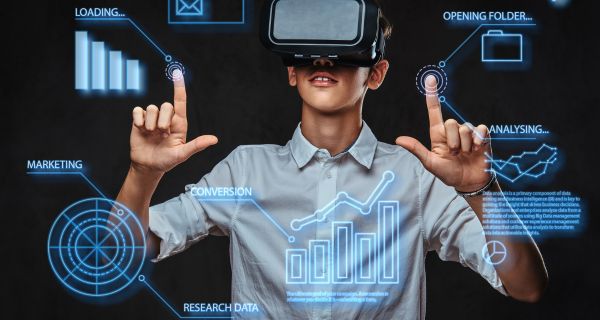
Spatial computing is the next evolution of human-computer interaction. It blends the physical and digital environments, enabling people to engage with data and digital content as if it exists in real space.
Unlike traditional computing, which is limited to flat screens, spatial computing uses 3D interfaces, sensors, and context-aware systems to allow users to naturally interact with information using gestures, voice, and even eye movement.
Technologies such as AR, VR, mixed reality (MR), and extended reality (XR) are all part of this broader spatial computing ecosystem.
2. The Technology Matures
Several breakthroughs have brought spatial computing from concept to reality:
- Lightweight, high-resolution headsets: Devices like the Apple Vision Pro, Meta Quest 3, and Microsoft HoloLens have made immersive experiences more comfortable and visually realistic.
- Powerful processors and sensors: Modern chips and spatial mapping technologies enable real-time tracking and interaction.
- 5G and cloud computing: Fast connectivity allows for streaming complex 3D environments without bulky local hardware.
- AI integration: Machine learning enhances object recognition, gesture tracking, and environment understanding—making AR/VR experiences smarter and more intuitive.
As these technologies converge, spatial computing is shedding its “experimental” label and becoming part of everyday workflows and lifestyles.
3. AR and VR in the Workplace
Workplaces are among the earliest adopters of spatial computing outside gaming.
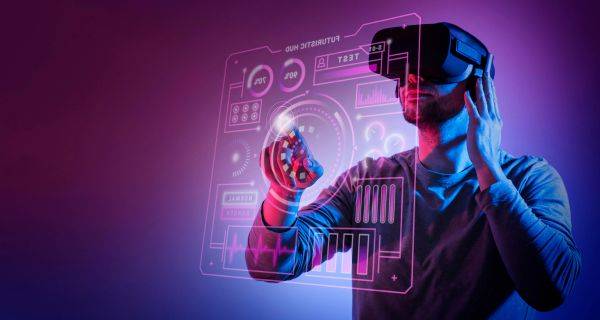
- Remote collaboration: Companies are using virtual meeting spaces to recreate in-person collaboration. Teams can gather in digital conference rooms, manipulate 3D models, and brainstorm with spatial tools that go beyond flat video calls.
- Training and simulation: VR is revolutionizing employee training in industries such as healthcare, aviation, and manufacturing. Surgeons can practice complex procedures in virtual environments, while factory workers learn equipment safety without real-world risks.
- Design and engineering: Architects and product designers now use AR and VR to visualize projects in 3D before they’re built. This reduces errors, speeds up prototyping, and fosters creative experimentation.
Spatial computing is turning the digital workplace into a shared, interactive environment where imagination meets precision.
4. Education and Learning Reimagined
AR and VR are also transforming education by making learning immersive and engaging.
Students can explore historical sites, manipulate molecular structures, or conduct virtual experiments that would be too costly or dangerous in real life. VR classrooms enable teachers to transport students anywhere—from the surface of Mars to the inside of a human cell.
For vocational and technical training, AR overlays can guide learners step-by-step through complex physical tasks, blending real-world action with digital instruction.
The result: education that’s experiential, inclusive, and tailored to diverse learning styles.
5. Retail and Consumer Experiences
Shopping is becoming an increasingly spatial experience. Retailers are leveraging AR to allow customers to “try before they buy.”
- Furniture brands like IKEA let users visualize how products will look and fit in their homes using AR apps.
- Fashion retailers offer virtual fitting rooms, enabling shoppers to see how clothes look on their avatars.
- Real estate companies use VR tours to let buyers explore properties remotely.
These innovations reduce returns, increase satisfaction, and add a sense of fun and confidence to the buying process. In 2025 and beyond, spatial retail experiences are expected to be as common as online reviews are today.
6. Entertainment and Social Connection
While gaming remains a powerhouse of AR/VR innovation, entertainment and social experiences are rapidly expanding.
- Virtual concerts and events allow fans to interact with artists in immersive digital venues.
- Metaverse platforms such as Horizon Worlds, Roblox, and Fortnite are evolving into hybrid spaces for work, play, and socializing.
- Cinematic VR storytelling offers audiences a 360-degree perspective, where viewers become part of the narrative.
These experiences are reshaping how people engage with content and one another, blurring the boundaries between physical presence and digital participation.
7. Healthcare, Wellness, and Therapy
Spatial computing is making significant contributions to healthcare and mental wellness.
- Rehabilitation: Patients recovering from injuries use VR exercises to rebuild motor skills.
- Therapy: AR and VR are used in treating anxiety, PTSD, and phobias by creating controlled exposure scenarios.
- Pain management: Immersive environments distract patients during painful procedures, reducing reliance on medication.
These applications highlight how spatial technology can improve lives in deeply personal and human ways.
8. The Road to Everyday Adoption
For AR and VR to become fully integrated into daily life, several challenges remain. Hardware must become more affordable and lightweight. Content must be intuitive and universally accessible. Privacy and security standards must evolve to address the sensitive data that spatial devices capture—like hand gestures, facial expressions, and room layouts.
Despite these hurdles, the trajectory is clear: as spatial computing becomes more seamless and socially accepted, it will blend effortlessly into daily routines. AR glasses might replace smartphones; VR offices could become as normal as video meetings; and interactive holograms may soon be part of our homes and classrooms.
9. The Human Dimension of Spatial Computing
Ultimately, the success of spatial computing depends on how it enhances human experience. Technology should amplify our creativity, connection, and understanding—not replace them.
The goal is not to escape reality but to enrich it—to create a world where digital information feels as natural and useful as the physical environment around us.
As AR and VR mature, they promise to make technology more human-centric, intuitive, and emotionally resonant.
10. Conclusion: A Spatial Future Unfolds
Spatial computing has come of age. Once confined to futuristic visions and tech expos, AR and VR are now practical tools shaping how we live, work, and play.
Just as the smartphone revolutionized communication in the 2010s, spatial computing is set to redefine interaction in the 2020s. The screen is no longer a boundary—it’s a bridge between realities.
The future won’t be about choosing between the physical and digital worlds, but about seamlessly inhabiting both. As spatial computing continues to evolve, our daily lives will expand into new dimensions—literally.