Why Cybersecurity Is Everyone’s Job Now
In the digital age, cybersecurity is no longer the exclusive domain of IT professionals or security experts—it’s a shared responsibility that touches every individual and organization connected to the internet. From employees managing sensitive company data to everyday users scrolling through social media, everyone plays a role in protecting digital assets.
As technology continues to evolve, so do the threats that target it. Cyberattacks have become more sophisticated, more frequent, and more damaging than ever before. In this interconnected environment, cybersecurity is everyone’s job—because one weak link can compromise an entire network.
1. The Expanding Digital Landscape
Our world has become deeply digitalized. Businesses, governments, and individuals rely on online systems for everything from financial transactions and healthcare to communication and education. The rise of cloud computing, remote work, and the Internet of Things (IoT) has connected billions of devices worldwide.
While this connectivity offers convenience and efficiency, it also expands the attack surface available to cybercriminals. Every smartphone, laptop, or connected device can potentially serve as an entry point for hackers. The more connected we become, the greater the need for collective vigilance.
2. The Evolving Threat Environment
Cyber threats today are more complex than ever before. Attackers no longer rely solely on brute-force methods; they use social engineering, ransomware, phishing campaigns, and AI-driven attacks to exploit human error and technical vulnerabilities.
Recent years have seen a dramatic rise in large-scale breaches affecting hospitals, government agencies, schools, and global corporations. The consequences are devastating—financial losses, operational disruptions, reputational damage, and erosion of public trust.
The truth is simple: cybersecurity failures often start with human behavior, not technical flaws. A careless click, a weak password, or an unsecured Wi-Fi connection can expose entire systems to compromise.
3. The Human Element in Cybersecurity
Despite technological advancements in firewalls, encryption, and intrusion detection, human actions remain the weakest link in cybersecurity. Studies consistently show that a significant percentage of breaches are caused by human error.
Examples include:
- Clicking on phishing emails that impersonate trusted sources
- Using the same password across multiple accounts
- Neglecting software updates or security patches
- Sharing sensitive information over unsecured channels
These are not sophisticated exploits—they’re preventable mistakes. That’s why cybersecurity must become ingrained in everyone’s daily habits, just like locking a door or fastening a seatbelt.
4. Why Cybersecurity Is Everyone’s Responsibility
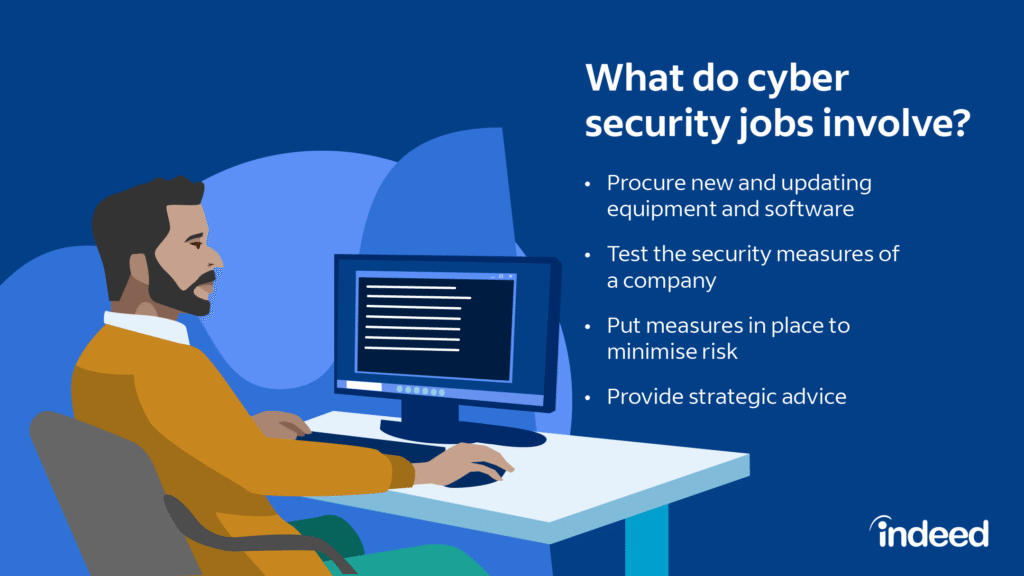
Cybersecurity used to be viewed as an IT issue—something handled by specialists in a separate department. That mindset is outdated and dangerous. Today, every employee, manager, and executive has a role to play in safeguarding information.
Here’s why:
- Shared accountability: In a networked world, data flows across departments and devices. A single careless action by one person can endanger the entire organization.
- Insider threats: Not all cyber risks come from external hackers; insider threats—intentional or accidental—are equally damaging.
- Remote work risks: The shift to remote and hybrid work environments has blurred traditional security perimeters, requiring everyone to maintain secure practices from anywhere.
- Digital identity protection: Personal and professional identities overlap online. Protecting personal data helps reduce exposure to corporate risks.
Cybersecurity awareness must therefore extend beyond IT teams—it should be part of an organization’s culture.
5. Building a Cyber-Aware Culture
Creating a culture of cybersecurity begins with education, communication, and empowerment. Every individual, regardless of their role, should understand the basics of online safety and how their actions contribute to the organization’s security posture.
Key strategies include:
- Regular Training: Conduct ongoing cybersecurity training programs that educate employees about phishing, password management, and safe data handling.
- Clear Policies: Establish and communicate policies for data sharing, device usage, and access control.
- Incident Reporting: Encourage a no-blame culture where employees can report suspicious activity without fear of repercussions.
- Leadership Example: Leaders must model good cybersecurity practices—what executives do sets the tone for the entire workforce.
- Gamified Learning: Use interactive simulations or competitions to make cybersecurity education engaging and memorable.
When people understand that cybersecurity is part of their everyday responsibility, they become the first line of defense rather than a vulnerability.
6. Cybersecurity Beyond the Workplace
The responsibility doesn’t stop at work. Personal cybersecurity habits directly affect organizational safety. Employees who reuse passwords, fall for phishing scams, or expose personal devices to malware can unintentionally compromise their employers’ networks.
Good practices to adopt personally include:
- Using multi-factor authentication (MFA) on all accounts
- Avoiding public Wi-Fi for sensitive transactions
- Backing up data regularly
- Being skeptical of unsolicited messages or links
- Keeping software and antivirus tools updated
Cybersecurity awareness must extend to families, schools, and communities, ensuring everyone—from students to seniors—understands how to stay safe online.
7. The Role of Technology and AI
While human awareness is vital, technology plays an equally critical role. Modern cybersecurity uses artificial intelligence, machine learning, and automation to detect and respond to threats in real time. These tools can identify unusual patterns, predict attacks, and reduce response times dramatically.
However, even the most advanced systems can fail if users don’t act responsibly. Technology is an aid—not a substitute—for human vigilance. The synergy between people and machines is the foundation of a strong cybersecurity ecosystem.
8. Cybersecurity as a Core Business Priority
For organizations, cybersecurity is now a strategic imperative rather than a technical issue. Investors, customers, and regulators expect companies to protect data with the same diligence they apply to financial or operational matters.
A single breach can cost millions of dollars, destroy brand reputation, and result in legal penalties. Businesses that prioritize cybersecurity not only protect themselves but also build trust—a key competitive advantage in the digital marketplace.
Embedding cybersecurity into every business process ensures resilience, continuity, and confidence.
9. The Global Impact of Collective Security
In a globally connected world, cybersecurity is a shared ecosystem. A vulnerability in one organization can have cascading effects across supply chains, governments, and entire industries. The rise of state-sponsored cyberattacks, hacktivism, and cyber espionage demonstrates that digital threats have geopolitical implications.
Collaborative defense efforts—such as sharing threat intelligence, adopting common security standards, and investing in cross-sector partnerships—are essential to strengthening collective resilience.
10. Conclusion: Cybersecurity Starts With You
Cybersecurity is not just an IT problem—it’s a human problem. Technology can detect and defend, but only people can prevent. Every email you open, every password you create, every link you click—these actions matter.
When everyone takes responsibility, from executives to interns, from families to entire communities, we build a stronger digital society. The future of cybersecurity depends not only on advanced technologies but on informed, vigilant, and responsible individuals who recognize their power to protect themselves and others.
In a world where a single careless click can trigger a global crisis, cybersecurity truly is everyone’s job now.