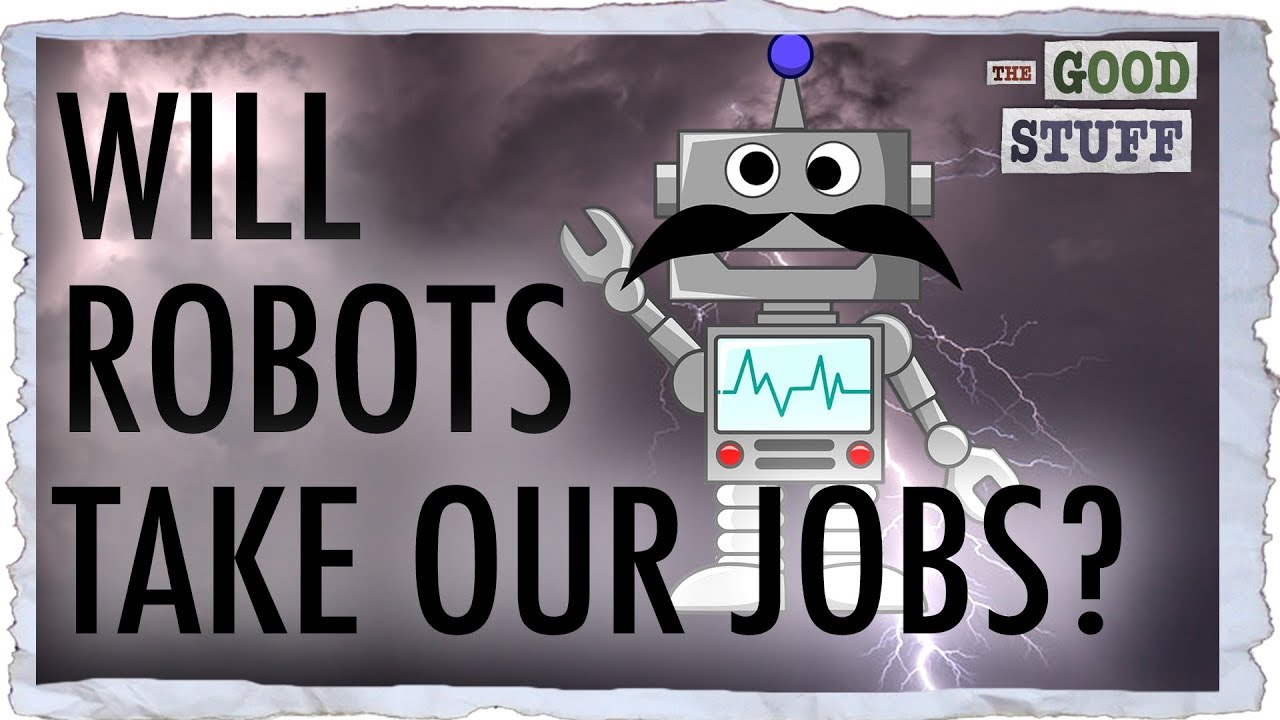
Will Robots Take Our Jobs—or Make Them Better?
For decades, the rise of automation and robotics has sparked both excitement and anxiety. From the assembly lines of the 20th century to the AI-driven workplaces of today, the same question persists: Will robots take our jobs—or make them better?
As automation accelerates and intelligent machines become more capable, it’s tempting to imagine a future where humans are replaced by robots. Yet history, data, and emerging trends reveal a more nuanced reality: robots aren’t simply eliminating work—they’re transforming it. Whether that transformation is a threat or an opportunity depends largely on how society, businesses, and individuals choose to adapt.
1. The Fear of Automation: A Century-Old Debate
The fear of machines replacing humans isn’t new. During the Industrial Revolution, factory mechanization displaced countless manual laborers, sparking protests like the famous Luddite movement. Similar concerns arose with the advent of computers and the internet in the late 20th century.
Yet, each wave of innovation ultimately created more jobs than it destroyed—often in areas that didn’t exist before. For instance, while automation reduced the need for typists and switchboard operators, it led to the rise of software developers, IT professionals, and digital marketers.
The key lesson? Technology doesn’t eliminate work—it reshapes it.
2. What’s Different About Today’s Robots
Modern robots are far more advanced than their industrial ancestors. Once limited to repetitive, pre-programmed motions, today’s machines are increasingly intelligent, adaptable, and collaborative.
Three major trends define this new generation:
- Artificial Intelligence (AI): Robots can now “think” in limited ways—analyzing data, recognizing patterns, and making decisions.
- Robotics-as-a-Service (RaaS): Businesses can rent robotic capabilities on demand, lowering barriers to adoption.
- Collaborative robots (cobots): These machines are designed to work safely alongside humans, augmenting rather than replacing them.
From warehouses to hospitals, robots are now teammates rather than competitors—assisting humans in performing complex, repetitive, or dangerous tasks more efficiently.
3. Jobs at Risk—and Jobs on the Rise
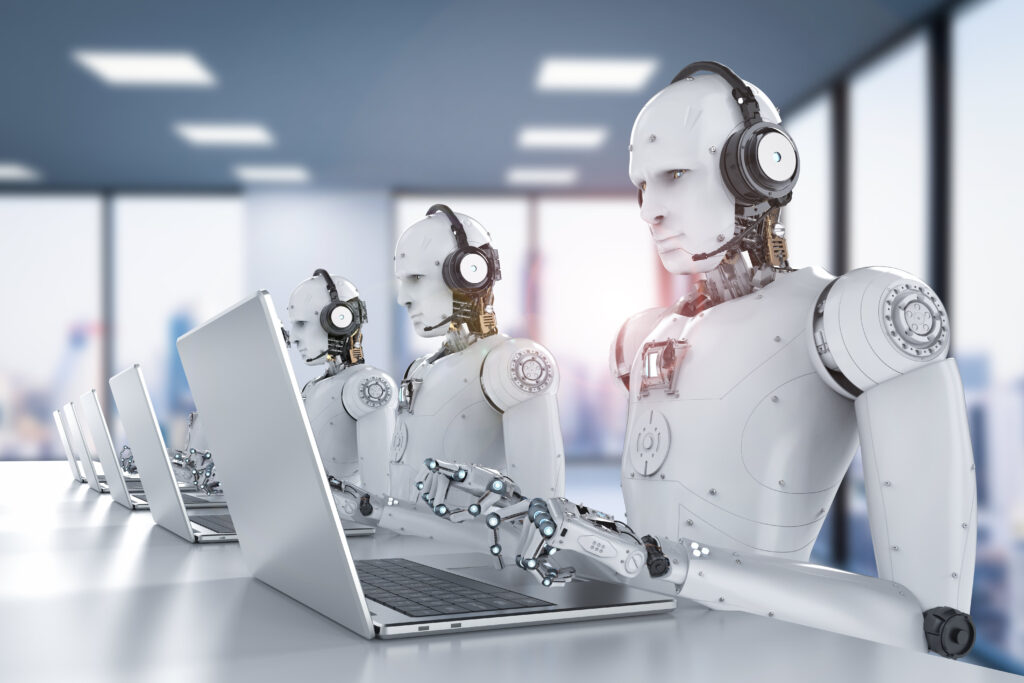
It’s true that automation will make certain roles obsolete. Repetitive, predictable tasks—such as data entry, assembly line work, or basic customer support—are especially vulnerable. Studies by McKinsey and the World Economic Forum estimate that as many as 300 million jobs worldwide could be automated to some degree in the next decade.
But those same reports also highlight a crucial counterpoint: automation will create millions of new jobs, often requiring new skills and higher levels of creativity, problem-solving, and emotional intelligence.
Emerging job categories include:
- AI trainers and ethicists who guide algorithmic behavior.
- Robotics engineers and technicians who build, program, and maintain machines.
- Data analysts and digital strategists who interpret the insights automation produces.
- Human experience designers who ensure technology complements, not frustrates, human needs.
Automation may change what work looks like—but it won’t make human workers obsolete.
4. How Robots Are Making Work Better
Rather than viewing robots as replacements, many industries are using them to enhance human productivity and safety.
- Healthcare: Surgical robots assist doctors with precision operations, reducing risk and recovery time.
- Manufacturing: Cobots handle dangerous or repetitive tasks, freeing human workers for oversight and innovation.
- Logistics: Robots manage warehouse operations, while humans focus on planning, customer experience, and supply chain optimization.
- Agriculture: Automated harvesters and drones reduce physical strain on farmers while improving yields.
These examples illustrate a powerful truth: when humans and robots collaborate effectively, the result is not fewer jobs—but better jobs.
5. The Skills Revolution
The rise of automation underscores the urgent need for reskilling and lifelong learning. The workforce of the future must be fluent not only in digital tools but in human skills that machines can’t replicate—like empathy, creativity, critical thinking, and leadership.
Educational institutions and companies alike are adapting by:
- Offering STEM and coding programs for young learners.
- Investing in workforce retraining for employees affected by automation.
- Emphasizing soft skills as key components of employability.
The future won’t belong to those who resist technology—but to those who learn how to work alongside it.
6. Economic and Ethical Considerations
Despite its potential, automation raises serious ethical and economic challenges. If left unchecked, automation could deepen income inequality, concentrating wealth among those who own and control technology.
This makes policy and governance crucial. Governments and corporations must collaborate to:
- Ensure equitable access to education and retraining programs.
- Implement fair taxation on automated systems that replace human labor.
- Promote ethical AI development that prioritizes human welfare.
A balanced approach—one that values efficiency without sacrificing humanity—will determine whether automation uplifts or undermines society.
7. Humans + Machines: The Future of Work
The most successful organizations in the coming decade will not be those that fully automate but those that master human–machine collaboration.
In this “augmented workforce,” robots handle data-heavy, repetitive tasks while humans focus on innovation, emotional intelligence, and strategic thinking. The synergy between automation and human ingenuity is already producing results: faster innovation cycles, better decision-making, and more fulfilling careers.
As one futurist put it, “The future of work isn’t man versus machine—it’s man with machine.”
8. Conclusion: Making Robots Work for Us
So, will robots take our jobs or make them better? The answer is both—and neither. They’ll take over the tasks we shouldn’t have to do and create opportunities we can’t yet imagine.
If history is any guide, automation will continue to redefine labor but not eliminate it. The challenge lies in how we adapt—by embracing education, designing fair policies, and ensuring technology serves people, not the other way around.
Robots are not our replacements; they are the next step in human progress. Whether they take our jobs or make them better is not up to the machines—it’s up to us.